Heat exhaustion vs heatstroke — the symptoms, first aid and when to call 999.
A calm, fact-checked reference summarising NHS guidance on how to tell heat exhaustion from heatstroke, and the five-step response that resolves 90% of cases at home.
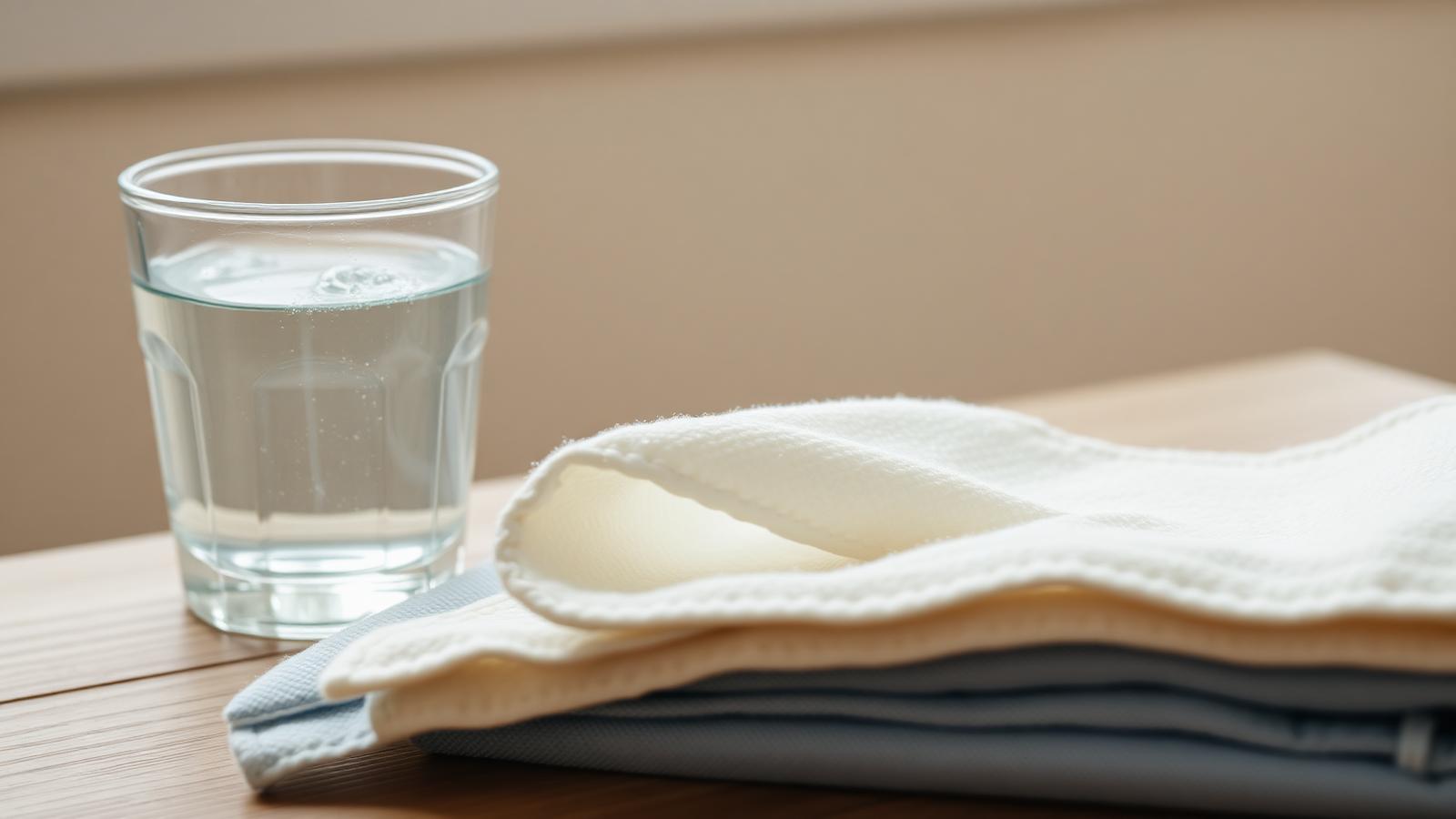
Heat exhaustion — dizziness, heavy sweating, temperature ≥ 38 °C — usually resolves within 30 minutes of cooling and fluids. Heatstroke — temperature ≥ 40 °C, hot dry skin, confusion or unconsciousness — is a medical emergency. Call 999 immediately and keep cooling the person while you wait.
Symptoms — act within 30 minutes.
- —Tiredness and weakness
- —Dizziness or feeling faint
- —Headache
- —Feeling sick or being sick
- —Heavy sweating and pale, clammy skin
- —Muscle cramps in arms, legs or stomach
- —Fast breathing or fast pulse
- —Temperature of 38 °C or above
- —Being very thirsty
Emergency — call 999 now.
- —Still feeling unwell after 30 minutes in a cool place
- —Very high temperature (40 °C or above)
- —Hot skin that is not sweating and may look red (harder to see on brown or black skin)
- —Fast heartbeat
- —Fast breathing or shortness of breath
- —Confusion, lack of coordination or slurred speech
- —Seizures (fits)
- —Loss of consciousness
What to do in the first 30 minutes.
- 01
Move them somewhere cool
Indoors, a shaded outdoor spot, or an air-conditioned car or building. Get them out of direct sun immediately.
- 02
Lie them down, raise their feet slightly
This helps blood flow back to the brain and reduces dizziness. If they are conscious, keep them lying down for the full 30 minutes.
- 03
Cool the skin fast
Spray or sponge with cool (not cold) water and fan them. Wet cloths on the neck, armpits, wrists and groin cool blood as it passes through — these are the highest-impact spots.
- 04
Give them water to sip
Water is best. A sports drink or oral rehydration solution can help replace lost salts if they have been sweating heavily. Avoid alcohol.
- 05
Stay with them for 30 minutes
If they recover and feel better, they've had heat exhaustion — keep them cool and hydrated for the rest of the day. If they don't recover, or symptoms get worse, this is heatstroke.
What people ask when someone starts to feel unwell in the heat.
What is the difference between heat exhaustion and heatstroke?
When should I call 999 for heat exhaustion?
How long does heat exhaustion take to recover from?
Can you have heat exhaustion in the UK?
Who is most at risk of heat exhaustion and heatstroke?
Sources for every claim on this page.
- NHS — Heat exhaustion and heatstroke
- NHS — Heatwave: how to cope in hot weather
- UKHSA — Beat the Heat: hot weather advice
- UKHSA — Heat-Health Alerting system
- WHO — Heat and health fact sheet
- British Red Cross — First aid for heat exhaustion and heatstroke
Related reading: how to keep cool in a heatwave, employer heat guidance (HSE), AC vs fans.
Not medical advice. This page summarises publicly available NHS, UKHSA and WHO guidance for general information. If you are worried about someone's symptoms, call NHS 111 or 999 in an emergency.